AUTOMOTIVE

Crash tests and automotive safety

Crash tests: where milliseconds matter and precision can help save lives

Vehicle safety systems must perform flawlessly when it matters. That’s why crash testing demands sensors capable of capturing extreme accelerations and ultra-fast shock events with outstanding accuracy.

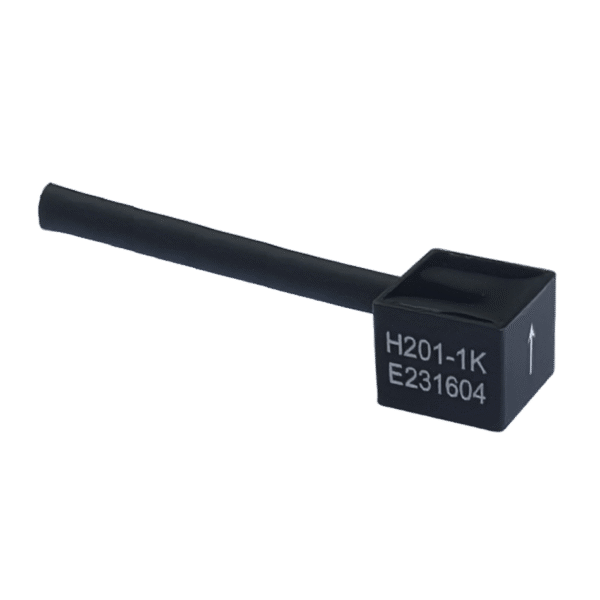
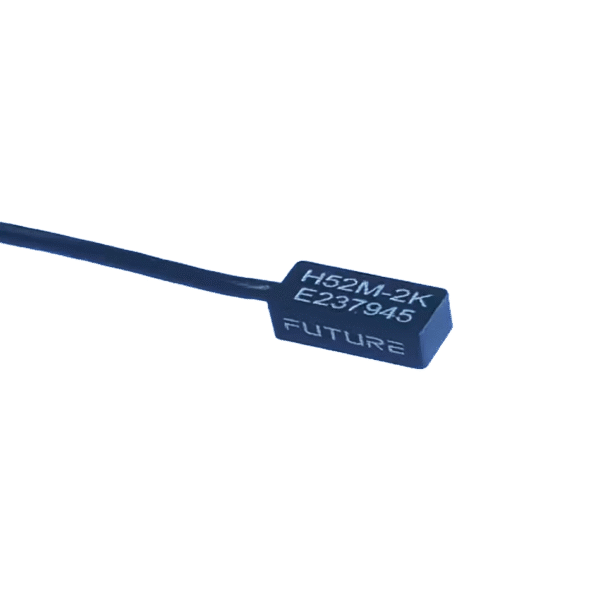
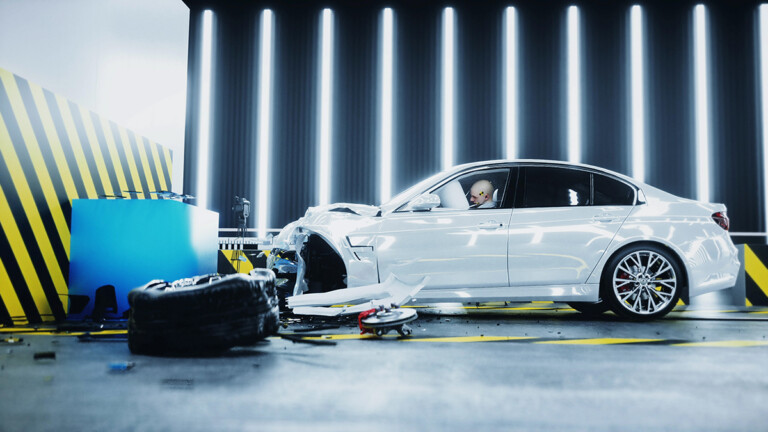
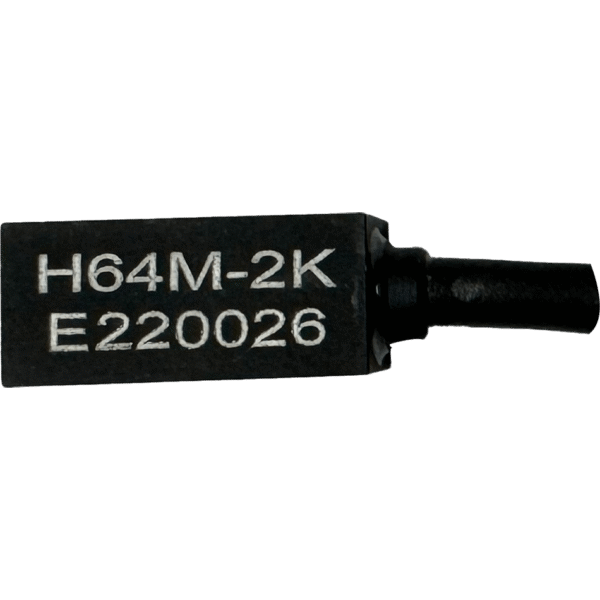
The uniaxial, piezoresistive accelerometers FUTURESES H201, FUTURESES H64M and FUTURESES H52M featuring excellent dynamic performance and wide measurement ranges (100–6000 g) capture very fast shock pulses across the frequency range from 0 Hz (DC) to 7000 Hz. They are, therefore, used in whole-vehicle crash tests. The entire vehicle is driven into an obstacle at a defined speed. The goal is to verify the structural integrity of the vehicle body.

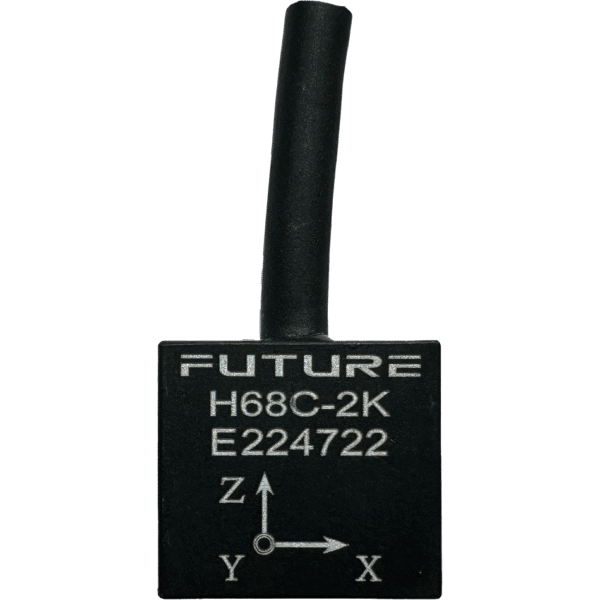
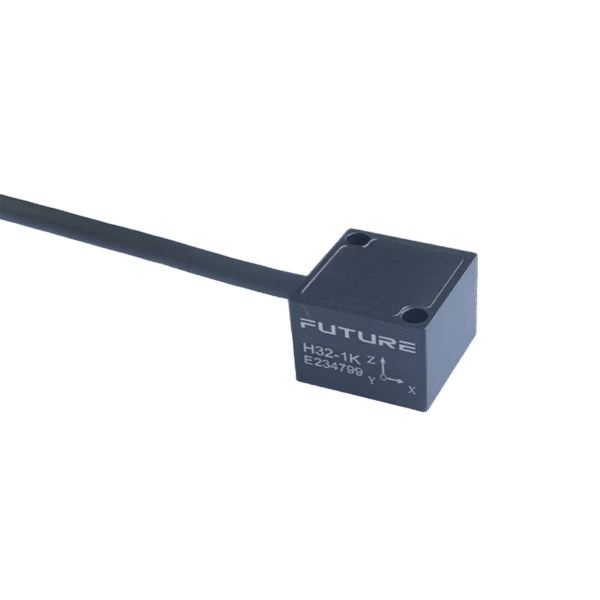
In crash tests using dummies (occupant protection tests), the uniaxial FUTURESES H64C and the triaxial FUTURESES H68C, among others, are leveraged as they comply with standards SAE-J211 for measurement technology in crash tests and SAE-J2570 for the use of sensors in Anthropomorphic Test Devices (ATD). Special dummies (men, women and children) are equipped with piezoresistive accelerometers to measure the forces impacting the body during a crash. The goal is to assess occupant protection. The forces exerted on the human body by seat belts, airbags and seats are determined to evaluate the probability of life-threatening injuries.

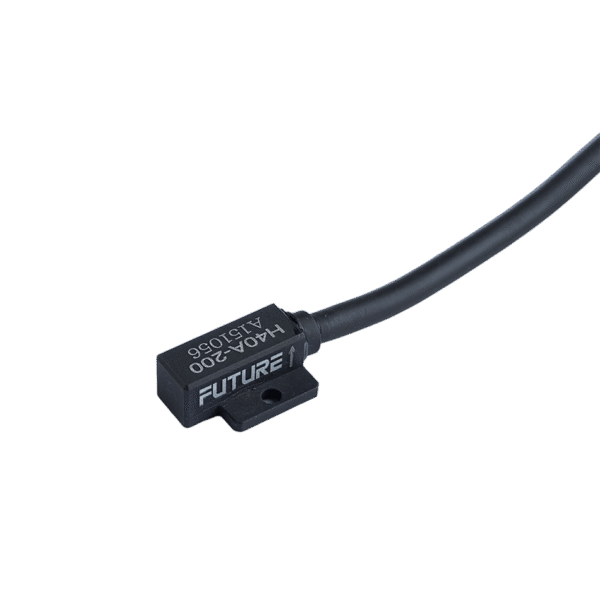
Uniaxial FUTURESES H40 sensors are particularly suitable in pedestrian crash tests. These piezoresistive accelerometers, with a critically damped frequency range (damping ratio = 0.7) up to approximately 1000 Hz, are installed on dummy components (such as legs or the head) that collide with the vehicle at standardized speeds. The goal is to minimize external injuries. The test evaluates whether the hood, windshield and bumper are sufficiently flexible to absorb the impact of a pedestrian or cyclist.

From vehicle body integrity to airbags, seat belts and pedestrian-friendly front ends, reliable measurement data helps engineers turn crash test results into safer mobility.

Looking for the right sensor solution for your crash testing application? Contact us!

Would you like a consultation or further information?

Please get in touch. We would be glad to support you personally.

E-mail: service[at]asc-sensors.de

Phone: +49 8441 786547-0

Sensor selection

FUTURESES H64C

Uniaxial, piezoresistive
Measurement range: ±50 to ±6000 g
Housing (±10 %): DC to 7000 Hz
SAE J211

FUTURESES H201

Uniaxial, piezoresistive
Measurement range: ±100 to ±2000 g
Housing (±10 %):DC to 5000 Hz
Lightweight

FUTURESES H52M

Uniaxial, piezoresistive
Measurement range: ±100 to ±2000 g
Housing (±10 %): DC to 5000 Hz
Lightweight

FUTURESES H68C

Triaxial, piezoresistive
Measurement range: ±500 and ±2000 g
Housing (±10 %): DC to 7000 Hz
SAE J211 & SAE J2570

FUTURESES H30

Triaxial, piezoresistive
Measurement range: ±500 to ±20000 g
Housing (±10 %): DC to 15000 Hz
SAE J211

FUTURESES H64M

Uniaxial, piezoresistive
Measurement range: ±50 to ±6000 g
Housing (±10 %): DC to 7000 Hz
SAE J211
All industries at a glance

ASC supplies high-precision inertial sensor solutions for demanding measurement tasks in several industries. Our engineers have a deep understanding of a wide variety of applications – for example in the rail transport sector, the automotive industry or for structural health monitoring systems. Discover now the diverse options that sensors from ASC offer you.

Service

Press: Köhler + Partner GmbH

Press

Management

Career

Inquiry: Crash tests and automotive safety

Anzahl Achsen
Anzahl Achsen
Sensortechnologie
Sensortechnologie
Temperatur min - max
Sensorart
Sensorart

ASC 4311LN

Uniaxial, capacitive
Measurement range: ±2 to ±400 g
Noise density: 7 to 400 µg/√Hz
Frequency range (±5 %): DC to 2000 Hz

ASC OS-115LN-PG

Uniaxial, capacitive
Measurement range: ±2 to ±400 g
Noise density: 7 to 400 µg/√Hz
Frequency range (±5 %): DC to 2000 Hz